Buy segurancahumana.eu ?
We are moving the project
segurancahumana.eu .
Are you interested in purchasing the domain
segurancahumana.eu ?
domain@kv-gmbh.de · 0541-91531010
Buy segurancahumana.eu ?
Is teleological ethics the same as teleology?
Teleological ethics and teleology are related concepts, but they are not the same. Teleological ethics is a moral theory that emphasizes the consequences or outcomes of actions as the basis for determining their ethical value. Teleology, on the other hand, is a broader philosophical concept that refers to the study of purpose or goals in nature and human existence. While teleological ethics is a specific application of teleology to moral decision-making, teleology encompasses a wider range of philosophical inquiries into purpose and design in the natural world. **
What is meant by deontological and teleological?
Deontological ethics is an ethical theory that focuses on the inherent rightness or wrongness of actions themselves, rather than the consequences of those actions. It emphasizes the importance of following moral rules and duties, regardless of the outcomes. On the other hand, teleological ethics, also known as consequentialism, is an ethical theory that evaluates the morality of actions based on their outcomes or consequences. It emphasizes the idea that the rightness or wrongness of an action is determined by the overall good or bad results it produces. In summary, deontological ethics focuses on the inherent nature of actions, while teleological ethics focuses on the outcomes of actions. **


Similar search terms for Teleological
Top-Angebote
Products related to Teleological:
-
Sendo Color Defense Color Protection Hair Conditioner 250mLA conditioner. It a treatment that helps prolong the duration and intensity of the color, counteracting oxidation and facilitating untangling. With Biotechnological Tomato Extract, Biotechnological Phytocomplex (grape, apple, lemon, wheat bran), Biological Extract of Goji Berries, and Murumuru Butter.8,47 £*Shipping: 7,11 £Secure redirect to the provider
-
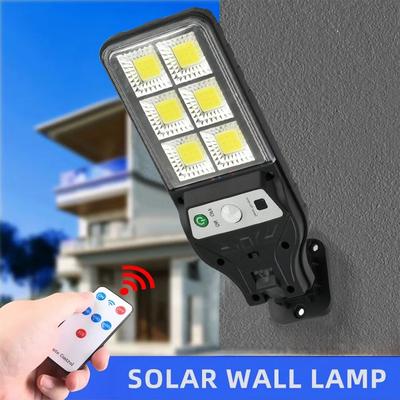
Inspire Curations SafeBeam Solar Motion Sensor Light Waterproof Outdoor Security & Emergency Lamp SafeBeam Solar Motion Sensor Light Waterproof Outdoor Security & Emergency LampFeel secure the moment night falls. This powerful solar lights outdoor solution delivers bright, automatic illumination exactly when movement is detected, helping protect garages, gardens, and pathways. Designed for homeowners who want reliable...64,95 $*Shipping: 0,00 $Secure redirect to the provider
-
Perfect Picks Market Blue LED Strobe Light For Emergency & Vehicle Safety Blue LED Strobe Light For Emergency & Vehicle Safety12V Blue LED strobe light instantly elevates visibility and safety wherever you need it. Perfect for drivers, fleet operators, or emergency responders, this compact yet powerful beacon ensures you're seen during critical situations. Its bright,...31,97 $*Shipping: 0,00 $Secure redirect to the provider
-
Perfect Picks Market Premium Magnetic LED Safety Beacon & Emergency Roadside Lights Premium Magnetic LED Safety Beacon & Emergency Roadside LightsWhen every second counts, your safety on the road shouldnt be left to chance. Our emergency roadside lights are engineered for drivers who want confidence and visibility during unexpected breakdowns or roadside emergencies. This compact, rugged LED...99,97 $*Shipping: 0,00 $Secure redirect to the provider



-
Does discourse ethics have a teleological or deontological approach?
Discourse ethics is primarily associated with a deontological approach. It focuses on the principles of communication and interaction between individuals, emphasizing the importance of ethical norms and rules in guiding discourse. The goal is to ensure that communication is based on mutual respect, equality, and rationality, rather than aiming towards a specific outcome or goal. By prioritizing the ethical principles of communication, discourse ethics aims to create a fair and just dialogue among participants. **
-
What is the teleological argument for the existence of God?
The teleological argument, also known as the argument from design, posits that the complexity and order in the universe suggest the existence of a designer, which is often equated with God. This argument points to the intricate design and purposeful arrangement of elements in the natural world, such as the human eye or the fine-tuning of physical constants, as evidence of an intelligent creator. Proponents of the teleological argument argue that the presence of design implies a designer, leading to the conclusion that God must exist as the ultimate designer of the universe. **
-
Does the teleological cosmic Kalam argument rely on a fatal fallacy?
The teleological cosmic Kalam argument does not rely on a fatal fallacy. The argument, which posits that the universe has a cause and that cause must be God, is based on the idea that the universe had a beginning and therefore requires a cause. While there may be objections and counterarguments to the Kalam argument, it does not contain a fatal fallacy. It is a philosophical and theological argument that has been debated and discussed for centuries, and while it may not be universally accepted, it is a valid and coherent argument within the realm of philosophical and theological discourse. **
-
Can someone explain Aristotle's teleological view of the world to me?
Aristotle's teleological view of the world is based on the idea that everything in the natural world has a purpose or goal. According to Aristotle, all things in nature strive towards their own perfection or fulfillment. This means that each object or organism has a specific function or purpose that it is naturally inclined to fulfill. For example, the purpose of an acorn is to grow into an oak tree. This teleological perspective suggests that there is an inherent order and purpose in the natural world, and that everything has a specific role to play in the overall functioning of the universe. **
What are the arguments against the teleological argument for the existence of God?
The teleological argument, also known as the argument from design, posits that the complexity and order in the universe point to the existence of an intelligent designer, namely God. However, there are several counterarguments to this claim. One argument is that the apparent design in the universe can be explained by natural processes such as evolution, without the need for a supernatural designer. Additionally, the presence of imperfections and instances of apparent "bad design" in the natural world, such as the existence of diseases and natural disasters, is seen as evidence against the idea of a perfect and benevolent designer. Furthermore, the teleological argument is criticized for relying on analogical reasoning, which may not be a sound basis for establishing the existence of a divine creator. **
Can someone explain to me how John Hospers criticizes the teleological argument for the existence of God?
John Hospers criticizes the teleological argument by pointing out that it relies on the assumption that the complexity and order in the universe must have been designed by a higher intelligence, which he argues is a flawed premise. He suggests that just because something appears to be designed, it does not necessarily mean that it was created by a conscious being. Hospers also questions the logic of inferring the existence of a single, all-powerful God from the apparent design in the universe, as there could be multiple creators or other explanations for the order we observe. **
Top-Angebote
Products related to Teleological:
-
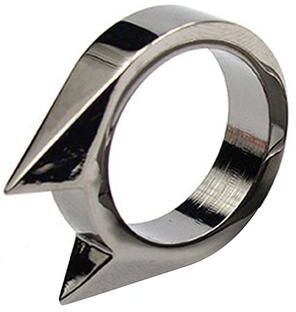
Uplifted Trends Outdoor Survival Self Defense Finger Ring Multi Functional Emergency Safety Tool silverThe Outdoor Survival SelfDefense Finger Ring is a versatile and powerful tool designed for personal safety and emergency situations. Whether youre a hiking enthusiast, a frequent traveler, or someone who values preparedness, this selfdefense ring is...29,97 $*Shipping: 0,00 $Secure redirect to the provider
-
All Categories Goods Emergency Survival Gas Mask With Dual Protection Filter & Safety Goggles Emergency Survival Gas Mask With Dual Protection Filter & Safety GogglesPrepare for the unexpected with the Emergency Survival Gas Mask, designed to protect you during hazardous situations. Whether youre navigating dangerous environments or preparing for natural disasters, this protective gear ensures your safety....47,97 $*Shipping: 0,00 $Secure redirect to the provider
-
Sendo Color Defense Color Protection Hair Conditioner 250mLA conditioner. It a treatment that helps prolong the duration and intensity of the color, counteracting oxidation and facilitating untangling. With Biotechnological Tomato Extract, Biotechnological Phytocomplex (grape, apple, lemon, wheat bran), Biological Extract of Goji Berries, and Murumuru Butter.8,47 £*Shipping: 7,11 £Secure redirect to the provider
-
Inspire Curations SafeBeam Solar Motion Sensor Light Waterproof Outdoor Security & Emergency Lamp SafeBeam Solar Motion Sensor Light Waterproof Outdoor Security & Emergency LampFeel secure the moment night falls. This powerful solar lights outdoor solution delivers bright, automatic illumination exactly when movement is detected, helping protect garages, gardens, and pathways. Designed for homeowners who want reliable...64,95 $*Shipping: 0,00 $Secure redirect to the provider
-
Is teleological ethics the same as teleology?
Teleological ethics and teleology are related concepts, but they are not the same. Teleological ethics is a moral theory that emphasizes the consequences or outcomes of actions as the basis for determining their ethical value. Teleology, on the other hand, is a broader philosophical concept that refers to the study of purpose or goals in nature and human existence. While teleological ethics is a specific application of teleology to moral decision-making, teleology encompasses a wider range of philosophical inquiries into purpose and design in the natural world. **
-
What is meant by deontological and teleological?
Deontological ethics is an ethical theory that focuses on the inherent rightness or wrongness of actions themselves, rather than the consequences of those actions. It emphasizes the importance of following moral rules and duties, regardless of the outcomes. On the other hand, teleological ethics, also known as consequentialism, is an ethical theory that evaluates the morality of actions based on their outcomes or consequences. It emphasizes the idea that the rightness or wrongness of an action is determined by the overall good or bad results it produces. In summary, deontological ethics focuses on the inherent nature of actions, while teleological ethics focuses on the outcomes of actions. **
-
Does discourse ethics have a teleological or deontological approach?
Discourse ethics is primarily associated with a deontological approach. It focuses on the principles of communication and interaction between individuals, emphasizing the importance of ethical norms and rules in guiding discourse. The goal is to ensure that communication is based on mutual respect, equality, and rationality, rather than aiming towards a specific outcome or goal. By prioritizing the ethical principles of communication, discourse ethics aims to create a fair and just dialogue among participants. **
-
What is the teleological argument for the existence of God?
The teleological argument, also known as the argument from design, posits that the complexity and order in the universe suggest the existence of a designer, which is often equated with God. This argument points to the intricate design and purposeful arrangement of elements in the natural world, such as the human eye or the fine-tuning of physical constants, as evidence of an intelligent creator. Proponents of the teleological argument argue that the presence of design implies a designer, leading to the conclusion that God must exist as the ultimate designer of the universe. **
Similar search terms for Teleological
-
Perfect Picks Market Blue LED Strobe Light For Emergency & Vehicle Safety Blue LED Strobe Light For Emergency & Vehicle Safety12V Blue LED strobe light instantly elevates visibility and safety wherever you need it. Perfect for drivers, fleet operators, or emergency responders, this compact yet powerful beacon ensures you're seen during critical situations. Its bright,...31,97 $*Shipping: 0,00 $Secure redirect to the provider
-
Perfect Picks Market Premium Magnetic LED Safety Beacon & Emergency Roadside Lights Premium Magnetic LED Safety Beacon & Emergency Roadside LightsWhen every second counts, your safety on the road shouldnt be left to chance. Our emergency roadside lights are engineered for drivers who want confidence and visibility during unexpected breakdowns or roadside emergencies. This compact, rugged LED...99,97 $*Shipping: 0,00 $Secure redirect to the provider
-
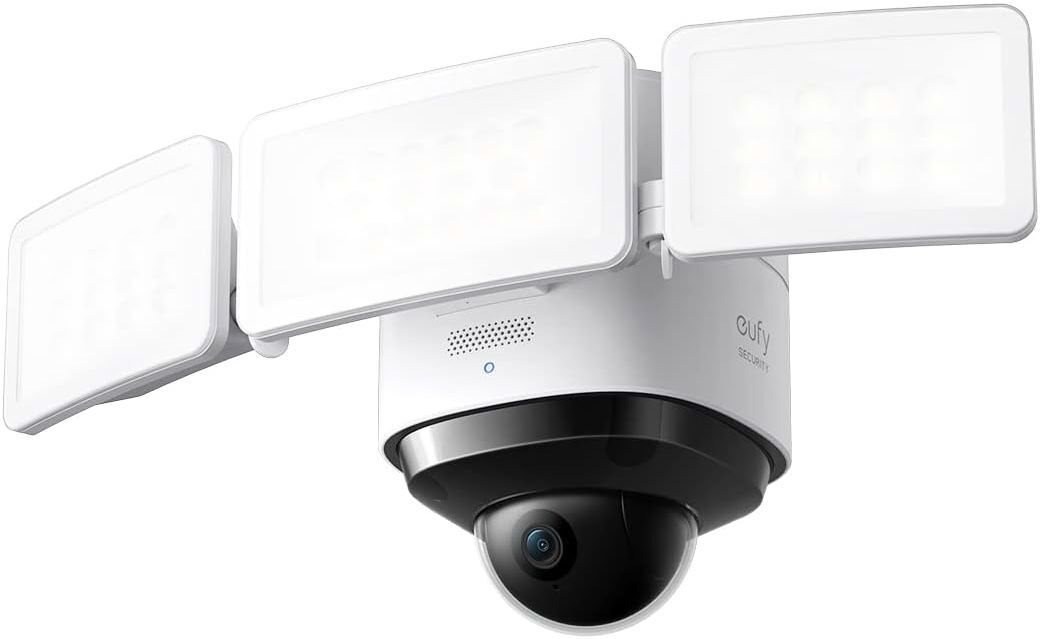
eufy Security Floodlight Cam S330 – 2K Ultra-HD 360-Degree Pan & Tilt Smart SurveillanceSecure your home with a perimeter defence system that leaves nowhere for intruders to hide. The eufy Security Floodlight Cam S330 (identified by EAN 0194644085445) is a sophisticated fusion of intelligent surveillance and high-intensity illumination. Engineered to eliminate the critical flaw of fixed-lens cameras—the blind spot—this professional-grade unit offers 360-degree situational awareness. By combining motorised motion with on-device AI, the S330 transforms your driveway, garden, or business frontage into a fully automated security hub that tracks threats in real-time. Key Features & Benefits Total Situational Awareness with 360-Degree Pan & Tilt: Effortlessly scan your entire property and eliminate hidden corners; the motorised lens allows for a full horizontal view, ensuring no movement goes unnoticed across your entire perimeter. Pro-Grade Clarity with 2K Full HD Resolution: Capture critical details with stunning precision; the high-resolution sensor provides the sharpness needed to identify facial features and vehicle details, providing actionable evidence when it matters most. Intelligent AI Subject Lock and Tracking: Stay one step ahead of intruders; the advanced on-device AI identifies human movement, locks onto the subject, and automatically pans to follow them, ensuring the target remains the centre of attention. Active Deterrence with 2,000-Lumen Dimmable Floodlights: Transform night into day; the motion-activated ultra-bright LEDs act as a powerful visual deterrent while providing full-colour night vision for unparalleled nocturnal surveillance. Zero Recurring Costs with Local Data Storage: Enjoy complete professional security with no monthly subscription fees; your footage is stored safely on-device, giving you total ownership of your data and significant long-term savings. Customisable Smart Detection Zones: Minimise frustrating false alarms; tailor the camera’s sensitivity and focus areas to ensure you only receive notifications for the movements that actually impact your security. Engineered for the Elements with Professional Weatherproofing: Designed to withstand the unpredictable UK climate, the robust housing ensures reliable performance through heavy rain, snow, and extreme temperatures. Why Choose This Product The eufy Security Floodlight Cam S330 (EAN 0194644085445)199,00 £*Shipping: 0,00 £Secure redirect to the provider
-
Cozy Casa Charm Self Defense Finger Ring Outdoor Survival Window Breaker Cats Ear Metal Defense Ring For Personal Safety blackStay safe and prepared with the SelfDefense Finger Ring. Designed for adults who value safety and security, this ring serves as a discreet yet effective selfdefense tool. Whether you're out on a hike or walking through the city, this compact device...29,97 $*Shipping: 0,00 $Secure redirect to the provider
-
Does the teleological cosmic Kalam argument rely on a fatal fallacy?
The teleological cosmic Kalam argument does not rely on a fatal fallacy. The argument, which posits that the universe has a cause and that cause must be God, is based on the idea that the universe had a beginning and therefore requires a cause. While there may be objections and counterarguments to the Kalam argument, it does not contain a fatal fallacy. It is a philosophical and theological argument that has been debated and discussed for centuries, and while it may not be universally accepted, it is a valid and coherent argument within the realm of philosophical and theological discourse. **
-
Can someone explain Aristotle's teleological view of the world to me?
Aristotle's teleological view of the world is based on the idea that everything in the natural world has a purpose or goal. According to Aristotle, all things in nature strive towards their own perfection or fulfillment. This means that each object or organism has a specific function or purpose that it is naturally inclined to fulfill. For example, the purpose of an acorn is to grow into an oak tree. This teleological perspective suggests that there is an inherent order and purpose in the natural world, and that everything has a specific role to play in the overall functioning of the universe. **
-
What are the arguments against the teleological argument for the existence of God?
The teleological argument, also known as the argument from design, posits that the complexity and order in the universe point to the existence of an intelligent designer, namely God. However, there are several counterarguments to this claim. One argument is that the apparent design in the universe can be explained by natural processes such as evolution, without the need for a supernatural designer. Additionally, the presence of imperfections and instances of apparent "bad design" in the natural world, such as the existence of diseases and natural disasters, is seen as evidence against the idea of a perfect and benevolent designer. Furthermore, the teleological argument is criticized for relying on analogical reasoning, which may not be a sound basis for establishing the existence of a divine creator. **
-
Can someone explain to me how John Hospers criticizes the teleological argument for the existence of God?
John Hospers criticizes the teleological argument by pointing out that it relies on the assumption that the complexity and order in the universe must have been designed by a higher intelligence, which he argues is a flawed premise. He suggests that just because something appears to be designed, it does not necessarily mean that it was created by a conscious being. Hospers also questions the logic of inferring the existence of a single, all-powerful God from the apparent design in the universe, as there could be multiple creators or other explanations for the order we observe. **
* All prices are inclusive of VAT and, if applicable, plus shipping costs. The offer information is based on the details provided by the respective shop and is updated through automated processes. Real-time updates do not occur, so deviations can occur in individual cases. ** Note: Parts of this content were created by AI.