Buy segurancahumana.eu ?
We are moving the project
segurancahumana.eu .
Are you interested in purchasing the domain
segurancahumana.eu ?
domain@kv-gmbh.de · 0541-91531010
Buy segurancahumana.eu ?
Can you explain saponification?
Saponification is a chemical reaction that occurs when a fat or oil is mixed with a strong alkali, such as sodium hydroxide (lye), resulting in the formation of soap and glycerin. During saponification, the alkali breaks down the ester bonds in the fat molecules, releasing fatty acids and glycerol. The fatty acids then react with the alkali to form soap molecules, while glycerin is a byproduct of the reaction. This process is commonly used in the production of soap. **
How does saponification work in chemistry?
Saponification is a chemical reaction that involves the hydrolysis of ester bonds in fats and oils by a strong base, typically sodium hydroxide or potassium hydroxide. This reaction results in the formation of glycerol and soap molecules, which are the salts of fatty acids. The hydroxide ions from the base break the ester bonds in the triglyceride molecules, releasing the fatty acids and glycerol. The fatty acids then react with the metal ions from the base to form soap molecules, which are soluble in water and have detergent properties. **


Similar search terms for Saponification
Top-Angebote
Products related to Saponification:
-
Sendo Color Defense Color Protection Shampoo 250mLA shampoo. This product gently cleanses the hair and seals the dyed pigment inside the hair. The Color Defense line is made up of a formula that leaves hair shinier, preserving its color and helping to seal the cuticles. Contains Biotechnological Tomato Extract, Biotechnological Phytocomplex (grape, apple, lemon, wheat bran), Biological Extract of Goji Berries, and Biological Extract of Maqui.5,99 £*Shipping: 7,11 £Secure redirect to the provider
-
Sendo Color Defense Color Protection Hair Conditioner 250mLA conditioner. It a treatment that helps prolong the duration and intensity of the color, counteracting oxidation and facilitating untangling. With Biotechnological Tomato Extract, Biotechnological Phytocomplex (grape, apple, lemon, wheat bran), Biological Extract of Goji Berries, and Murumuru Butter.6,25 £*Shipping: 7,11 £Secure redirect to the provider
-
Sendo Color Defense Color Protection Hair Mask 200mLA hair mask. This product helps protect hair from oxidation and air pollution, making it softer and easier to comb. Contains Biotechnological Tomato Extract, Biotechnological Phytocomplex (grape, apple, lemon, wheat bran), Biological Extract of Goji Berries and Rogue Oil. Containers with recycled and recyclable packaging.8,06 £*Shipping: 7,11 £Secure redirect to the provider
-
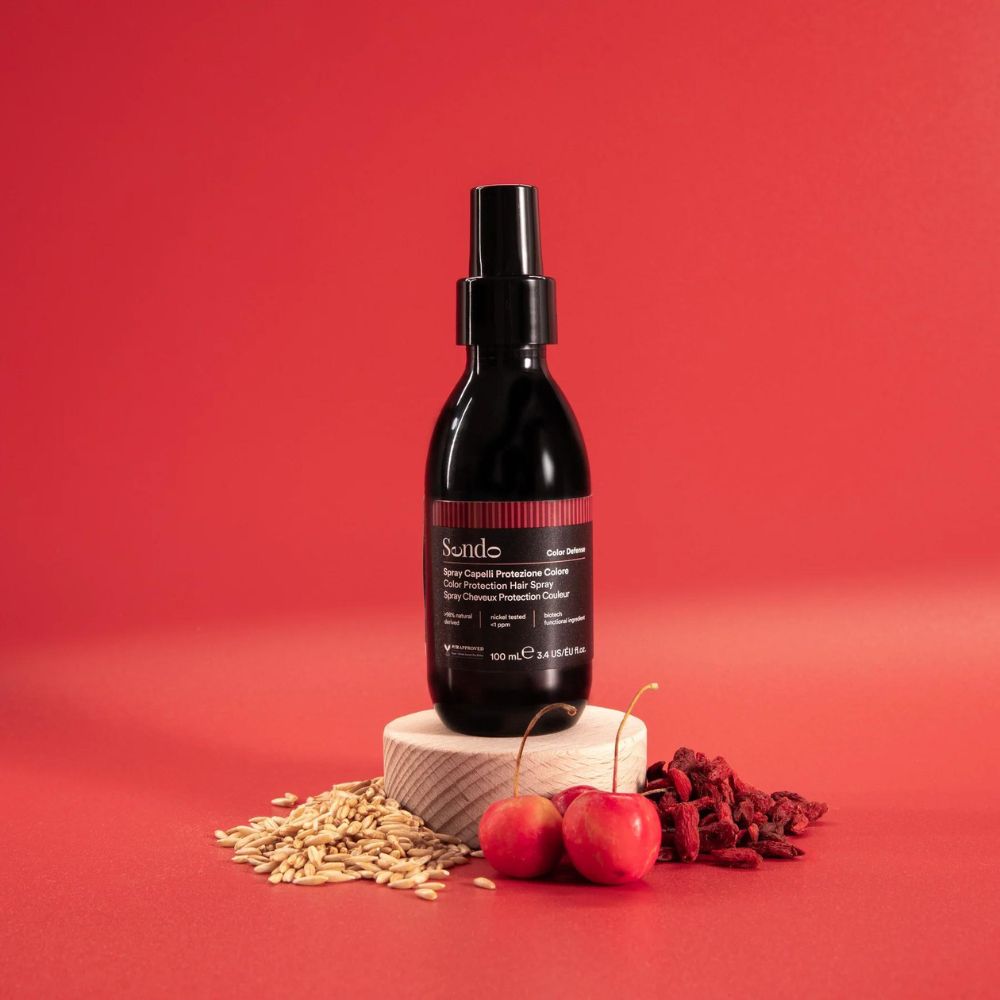
Sendo Color Defense Color Protection Hair Spray 100mLA hair-care product. This product counteracts the damaging action of free radicals, thanks to its antioxidant and natural properties. Made with Biotechnological Tomato Extract, Biotechnological Phytocomplex (grape, apple, lemon, wheat bran), Biological Goji Berry Extract, and Biological Cherry Extract.8,58 £*Shipping: 5,34 £Secure redirect to the provider


-
Is this saponification reaction equation correct?
Yes, the saponification reaction equation provided is correct. Saponification is the process of making soap by reacting a fat or oil with a strong base, such as sodium hydroxide or potassium hydroxide. The reaction results in the formation of soap (sodium or potassium salts of fatty acids) and glycerol. The equation shown accurately represents this chemical transformation. **
-
What are chemical reactions in saponification?
Chemical reactions in saponification involve the reaction of a fat or oil with a strong base, typically sodium hydroxide or potassium hydroxide. This reaction results in the formation of soap and glycerol. The fatty acids in the fat or oil react with the base to form the soap molecules, while glycerol is a byproduct of the reaction. Saponification is a key process in soap-making and is essential for the production of soap. **
-
What is the equation for saponification?
The general equation for saponification is: ester + base → alcohol + carboxylate salt. In the specific case of the saponification of a triglyceride (fat or oil) with a strong base such as sodium hydroxide, the equation is: triglyceride + sodium hydroxide → glycerol + 3 fatty acid salts. **
-
How can one derive the saponification value?
The saponification value can be derived by determining the amount of potassium hydroxide (KOH) or sodium hydroxide (NaOH) required to saponify a specific amount of fat or oil. This is typically done through a chemical reaction where the fat or oil is mixed with a known concentration of KOH or NaOH. The amount of KOH or NaOH used in the reaction is then measured, and the saponification value is calculated based on the molecular weight of the fat or oil. This value is important in determining the amount of alkali needed for soap making or in assessing the purity of fats and oils. **


How can one determine the saponification value?
The saponification value can be determined by performing a chemical reaction called saponification on a known weight of the fat or oil sample. This reaction involves the hydrolysis of the ester bonds in the fat or oil with a strong base, such as potassium hydroxide. The amount of base required to saponify the fat or oil is then measured, and the saponification value is calculated based on the weight of the sample and the amount of base used. This value is expressed as the number of milligrams of potassium hydroxide required to saponify one gram of the fat or oil sample. **
What is the reaction equation for saponification?
The reaction equation for saponification involves the hydrolysis of an ester, typically a triglyceride, with a strong base such as sodium hydroxide or potassium hydroxide. The general equation for saponification is: Ester + Base → Alcohol + Salt of Fatty Acid. For example, in the saponification of a triglyceride like olive oil, the reaction equation would be: Triglyceride (olive oil) + 3NaOH → Glycerol + 3 Sodium Salts of Fatty Acids (soap). **
Top-Angebote
Products related to Saponification:
-
Uplifted Trends Outdoor Survival Self Defense Finger Ring Multi Functional Emergency Safety Tool silverThe Outdoor Survival SelfDefense Finger Ring is a versatile and powerful tool designed for personal safety and emergency situations. Whether youre a hiking enthusiast, a frequent traveler, or someone who values preparedness, this selfdefense ring is...29,97 $*Shipping: 0,00 $Secure redirect to the provider
-
All Categories Goods Emergency Survival Gas Mask With Dual Protection Filter & Safety Goggles Emergency Survival Gas Mask With Dual Protection Filter & Safety GogglesPrepare for the unexpected with the Emergency Survival Gas Mask, designed to protect you during hazardous situations. Whether youre navigating dangerous environments or preparing for natural disasters, this protective gear ensures your safety....47,97 $*Shipping: 0,00 $Secure redirect to the provider
-
Sendo Color Defense Color Protection Shampoo 250mLA shampoo. This product gently cleanses the hair and seals the dyed pigment inside the hair. The Color Defense line is made up of a formula that leaves hair shinier, preserving its color and helping to seal the cuticles. Contains Biotechnological Tomato Extract, Biotechnological Phytocomplex (grape, apple, lemon, wheat bran), Biological Extract of Goji Berries, and Biological Extract of Maqui.5,99 £*Shipping: 7,11 £Secure redirect to the provider
-
Sendo Color Defense Color Protection Hair Conditioner 250mLA conditioner. It a treatment that helps prolong the duration and intensity of the color, counteracting oxidation and facilitating untangling. With Biotechnological Tomato Extract, Biotechnological Phytocomplex (grape, apple, lemon, wheat bran), Biological Extract of Goji Berries, and Murumuru Butter.6,25 £*Shipping: 7,11 £Secure redirect to the provider
-
Can you explain saponification?
Saponification is a chemical reaction that occurs when a fat or oil is mixed with a strong alkali, such as sodium hydroxide (lye), resulting in the formation of soap and glycerin. During saponification, the alkali breaks down the ester bonds in the fat molecules, releasing fatty acids and glycerol. The fatty acids then react with the alkali to form soap molecules, while glycerin is a byproduct of the reaction. This process is commonly used in the production of soap. **
-
How does saponification work in chemistry?
Saponification is a chemical reaction that involves the hydrolysis of ester bonds in fats and oils by a strong base, typically sodium hydroxide or potassium hydroxide. This reaction results in the formation of glycerol and soap molecules, which are the salts of fatty acids. The hydroxide ions from the base break the ester bonds in the triglyceride molecules, releasing the fatty acids and glycerol. The fatty acids then react with the metal ions from the base to form soap molecules, which are soluble in water and have detergent properties. **
-
Is this saponification reaction equation correct?
Yes, the saponification reaction equation provided is correct. Saponification is the process of making soap by reacting a fat or oil with a strong base, such as sodium hydroxide or potassium hydroxide. The reaction results in the formation of soap (sodium or potassium salts of fatty acids) and glycerol. The equation shown accurately represents this chemical transformation. **
-
What are chemical reactions in saponification?
Chemical reactions in saponification involve the reaction of a fat or oil with a strong base, typically sodium hydroxide or potassium hydroxide. This reaction results in the formation of soap and glycerol. The fatty acids in the fat or oil react with the base to form the soap molecules, while glycerol is a byproduct of the reaction. Saponification is a key process in soap-making and is essential for the production of soap. **
Similar search terms for Saponification
-
Sendo Color Defense Color Protection Hair Mask 200mLA hair mask. This product helps protect hair from oxidation and air pollution, making it softer and easier to comb. Contains Biotechnological Tomato Extract, Biotechnological Phytocomplex (grape, apple, lemon, wheat bran), Biological Extract of Goji Berries and Rogue Oil. Containers with recycled and recyclable packaging.8,06 £*Shipping: 7,11 £Secure redirect to the provider
-
Sendo Color Defense Color Protection Hair Spray 100mLA hair-care product. This product counteracts the damaging action of free radicals, thanks to its antioxidant and natural properties. Made with Biotechnological Tomato Extract, Biotechnological Phytocomplex (grape, apple, lemon, wheat bran), Biological Goji Berry Extract, and Biological Cherry Extract.8,58 £*Shipping: 5,34 £Secure redirect to the provider
-
Inspire Curations SafeBeam Solar Motion Sensor Light Waterproof Outdoor Security & Emergency Lamp SafeBeam Solar Motion Sensor Light Waterproof Outdoor Security & Emergency LampFeel secure the moment night falls. This powerful solar lights outdoor solution delivers bright, automatic illumination exactly when movement is detected, helping protect garages, gardens, and pathways. Designed for homeowners who want reliable...64,95 $*Shipping: 0,00 $Secure redirect to the provider
-
Perfect Picks Market Blue LED Strobe Light For Emergency & Vehicle Safety Blue LED Strobe Light For Emergency & Vehicle Safety12V Blue LED strobe light instantly elevates visibility and safety wherever you need it. Perfect for drivers, fleet operators, or emergency responders, this compact yet powerful beacon ensures you're seen during critical situations. Its bright,...31,97 $*Shipping: 0,00 $Secure redirect to the provider
-
What is the equation for saponification?
The general equation for saponification is: ester + base → alcohol + carboxylate salt. In the specific case of the saponification of a triglyceride (fat or oil) with a strong base such as sodium hydroxide, the equation is: triglyceride + sodium hydroxide → glycerol + 3 fatty acid salts. **
-
How can one derive the saponification value?
The saponification value can be derived by determining the amount of potassium hydroxide (KOH) or sodium hydroxide (NaOH) required to saponify a specific amount of fat or oil. This is typically done through a chemical reaction where the fat or oil is mixed with a known concentration of KOH or NaOH. The amount of KOH or NaOH used in the reaction is then measured, and the saponification value is calculated based on the molecular weight of the fat or oil. This value is important in determining the amount of alkali needed for soap making or in assessing the purity of fats and oils. **
-
How can one determine the saponification value?
The saponification value can be determined by performing a chemical reaction called saponification on a known weight of the fat or oil sample. This reaction involves the hydrolysis of the ester bonds in the fat or oil with a strong base, such as potassium hydroxide. The amount of base required to saponify the fat or oil is then measured, and the saponification value is calculated based on the weight of the sample and the amount of base used. This value is expressed as the number of milligrams of potassium hydroxide required to saponify one gram of the fat or oil sample. **
-
What is the reaction equation for saponification?
The reaction equation for saponification involves the hydrolysis of an ester, typically a triglyceride, with a strong base such as sodium hydroxide or potassium hydroxide. The general equation for saponification is: Ester + Base → Alcohol + Salt of Fatty Acid. For example, in the saponification of a triglyceride like olive oil, the reaction equation would be: Triglyceride (olive oil) + 3NaOH → Glycerol + 3 Sodium Salts of Fatty Acids (soap). **
* All prices are inclusive of VAT and, if applicable, plus shipping costs. The offer information is based on the details provided by the respective shop and is updated through automated processes. Real-time updates do not occur, so deviations can occur in individual cases. ** Note: Parts of this content were created by AI.