Buy segurancahumana.eu ?
We are moving the project
segurancahumana.eu .
Are you interested in purchasing the domain
segurancahumana.eu ?
domain@kv-gmbh.de · 0541-91531010
Buy segurancahumana.eu ?
How are halogenoalkanes produced in a chemical emergency?
Halogenoalkanes can be produced in a chemical emergency through the process of halogenation, where a halogen (such as chlorine or bromine) is added to an alkane. This can occur unintentionally in industrial accidents or chemical spills involving halogen-containing compounds. For example, if a chlorine gas leak were to occur in a facility handling organic compounds, the chlorine could react with the organic molecules to form halogenoalkanes. These accidental reactions can result in the production of potentially hazardous halogenoalkanes, which can pose risks to human health and the environment. **
Where is Burberry produced?
Burberry produces its products in various countries around the world, including the United Kingdom, Italy, Poland, Romania, and China. The brand's iconic trench coats are primarily made in England, while other items such as clothing, accessories, and shoes are manufactured in different locations based on expertise and cost efficiency. Burberry maintains high standards of quality and craftsmanship regardless of where its products are produced. **

Similar search terms for Produced
Top-Angebote
Products related to Produced:


-
How is LevlUp produced?
LevlUp is produced using a carefully selected blend of ingredients that are sourced from high-quality suppliers. These ingredients are then mixed together in precise quantities to create the unique formula that gives LevlUp its energy-boosting and focus-enhancing properties. The production process follows strict quality control measures to ensure that each batch meets the highest standards of purity and effectiveness. Additionally, LevlUp is manufactured in state-of-the-art facilities that adhere to strict regulations to guarantee product safety and consistency. **
-
How are calendars produced?
Calendars are typically produced by graphic designers who create the layout and design of each page. Once the design is finalized, the calendar is printed using high-quality printing techniques to ensure clarity and color accuracy. The pages are then bound together, usually with a spiral or saddle-stitch binding, and any additional features such as a cover or stand are added. Finally, the calendars are packaged and distributed to retailers or directly to consumers. **
-
How is chloroacetone produced?
Chloroacetone is produced through the reaction of acetone with chlorine gas in the presence of a catalyst, such as aluminum chloride. The reaction involves the substitution of a hydrogen atom in acetone with a chlorine atom, resulting in the formation of chloroacetone. This process is typically carried out in a controlled environment due to the toxic and reactive nature of chlorine gas. Chloroacetone is an important intermediate in the production of various chemicals and pharmaceuticals. **
-
Can gold be produced?
Gold cannot be produced in the traditional sense as it is a naturally occurring element found in the Earth's crust. However, gold can be extracted from the ground through mining and refining processes. Additionally, gold can be recycled and refined from old jewelry, electronics, and other sources, making it a sustainable resource. Overall, while gold cannot be produced from scratch, it can be obtained through various extraction and recycling methods. **


Can stones be produced?
Stones themselves cannot be produced, as they are naturally occurring solid mineral substances found in the Earth's crust. However, stones can be shaped and polished by humans to create various objects such as sculptures, jewelry, and building materials. The process of shaping stones is known as stone masonry, where skilled craftsmen use tools to carve and shape stones into desired forms. **
How is cyanide produced?
Cyanide is typically produced through the chemical process of combining hydrogen cyanide gas with other chemicals to form various cyanide compounds. One common method involves reacting ammonia with natural gas and air in the presence of a catalyst to produce hydrogen cyanide gas. Another method involves the reaction of sodium cyanide with acids to produce hydrogen cyanide gas. These processes are carried out in industrial settings under controlled conditions due to the highly toxic nature of cyanide. **
Top-Angebote
Products related to Produced:
-
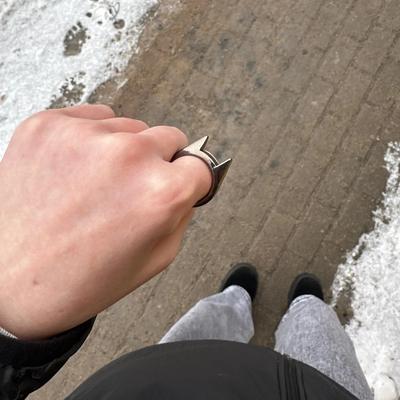
Uplifted Trends Outdoor Survival Self Defense Finger Ring Multi Functional Emergency Safety Tool silverThe Outdoor Survival SelfDefense Finger Ring is a versatile and powerful tool designed for personal safety and emergency situations. Whether youre a hiking enthusiast, a frequent traveler, or someone who values preparedness, this selfdefense ring is...29,97 $*Shipping: 0,00 $Secure redirect to the provider
-
How are halogenoalkanes produced in a chemical emergency?
Halogenoalkanes can be produced in a chemical emergency through the process of halogenation, where a halogen (such as chlorine or bromine) is added to an alkane. This can occur unintentionally in industrial accidents or chemical spills involving halogen-containing compounds. For example, if a chlorine gas leak were to occur in a facility handling organic compounds, the chlorine could react with the organic molecules to form halogenoalkanes. These accidental reactions can result in the production of potentially hazardous halogenoalkanes, which can pose risks to human health and the environment. **
-
Where is Burberry produced?
Burberry produces its products in various countries around the world, including the United Kingdom, Italy, Poland, Romania, and China. The brand's iconic trench coats are primarily made in England, while other items such as clothing, accessories, and shoes are manufactured in different locations based on expertise and cost efficiency. Burberry maintains high standards of quality and craftsmanship regardless of where its products are produced. **
-
How is LevlUp produced?
LevlUp is produced using a carefully selected blend of ingredients that are sourced from high-quality suppliers. These ingredients are then mixed together in precise quantities to create the unique formula that gives LevlUp its energy-boosting and focus-enhancing properties. The production process follows strict quality control measures to ensure that each batch meets the highest standards of purity and effectiveness. Additionally, LevlUp is manufactured in state-of-the-art facilities that adhere to strict regulations to guarantee product safety and consistency. **
-
How are calendars produced?
Calendars are typically produced by graphic designers who create the layout and design of each page. Once the design is finalized, the calendar is printed using high-quality printing techniques to ensure clarity and color accuracy. The pages are then bound together, usually with a spiral or saddle-stitch binding, and any additional features such as a cover or stand are added. Finally, the calendars are packaged and distributed to retailers or directly to consumers. **
Similar search terms for Produced
-
How is chloroacetone produced?
Chloroacetone is produced through the reaction of acetone with chlorine gas in the presence of a catalyst, such as aluminum chloride. The reaction involves the substitution of a hydrogen atom in acetone with a chlorine atom, resulting in the formation of chloroacetone. This process is typically carried out in a controlled environment due to the toxic and reactive nature of chlorine gas. Chloroacetone is an important intermediate in the production of various chemicals and pharmaceuticals. **
-
Can gold be produced?
Gold cannot be produced in the traditional sense as it is a naturally occurring element found in the Earth's crust. However, gold can be extracted from the ground through mining and refining processes. Additionally, gold can be recycled and refined from old jewelry, electronics, and other sources, making it a sustainable resource. Overall, while gold cannot be produced from scratch, it can be obtained through various extraction and recycling methods. **
-
Can stones be produced?
Stones themselves cannot be produced, as they are naturally occurring solid mineral substances found in the Earth's crust. However, stones can be shaped and polished by humans to create various objects such as sculptures, jewelry, and building materials. The process of shaping stones is known as stone masonry, where skilled craftsmen use tools to carve and shape stones into desired forms. **
-
How is cyanide produced?
Cyanide is typically produced through the chemical process of combining hydrogen cyanide gas with other chemicals to form various cyanide compounds. One common method involves reacting ammonia with natural gas and air in the presence of a catalyst to produce hydrogen cyanide gas. Another method involves the reaction of sodium cyanide with acids to produce hydrogen cyanide gas. These processes are carried out in industrial settings under controlled conditions due to the highly toxic nature of cyanide. **
* All prices are inclusive of VAT and, if applicable, plus shipping costs. The offer information is based on the details provided by the respective shop and is updated through automated processes. Real-time updates do not occur, so deviations can occur in individual cases. ** Note: Parts of this content were created by AI.