Buy segurancahumana.eu ?
We are moving the project
segurancahumana.eu .
Are you interested in purchasing the domain
segurancahumana.eu ?
domain@kv-gmbh.de · 0541-91531010
Buy segurancahumana.eu ?
How do I brake in second or third gear?
To brake in second or third gear, you should first release the accelerator pedal and then gently apply the brake pedal with your foot. Make sure to downshift to the appropriate gear before coming to a complete stop. It is important to brake smoothly and gradually to avoid skidding or losing control of the vehicle. Practice braking in different gears in a safe and controlled environment to become more comfortable with the process. **
Is an emergency brake required?
Yes, an emergency brake is required in most vehicles. It is an important safety feature that can be used to stop the vehicle in case of brake failure or other emergencies. In many places, it is a legal requirement for vehicles to have an emergency brake in working condition. It is important for drivers to know how to use the emergency brake properly in case of an emergency situation. **


Similar search terms for PRASCO-VG0214150-Third-brake
Top-Angebote
Products related to PRASCO-VG0214150-Third-brake:


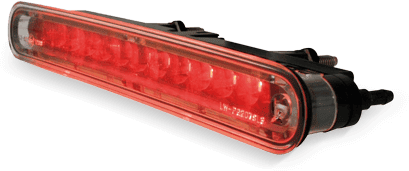

-
"Could we pull the emergency brake?"
Yes, we could pull the emergency brake if necessary. However, it is important to consider the situation carefully before doing so, as pulling the emergency brake could have serious consequences depending on the circumstances. It is always best to follow proper procedures and guidelines in emergency situations to ensure the safety of everyone involved. **
-
What is an emergency brake application?
An emergency brake application is when the driver of a vehicle activates the emergency brake in order to bring the vehicle to a sudden stop. This can be done in response to a sudden hazard on the road, a loss of control of the vehicle, or any other situation that requires an immediate stop. Emergency brake applications should be used sparingly and only in true emergency situations, as they can cause damage to the vehicle and pose a risk to the driver and passengers if not used properly. **
-
How is the emergency brake tested?
The emergency brake is typically tested by engaging it while the vehicle is stationary and ensuring that it holds the vehicle in place without any slippage. This can be done by pulling the emergency brake lever or pressing the emergency brake pedal, depending on the type of brake system in the vehicle. The vehicle should not move when the emergency brake is engaged, indicating that it is functioning properly. It is important to test the emergency brake regularly to ensure it is in good working condition and can be relied upon in case of an emergency. **
-
What is the difference between an emergency brake and a normal brake?
The main difference between an emergency brake and a normal brake is their intended use. A normal brake is used to slow down or stop the vehicle during regular driving, while an emergency brake is designed to be used in emergency situations, such as when the main braking system fails. Additionally, a normal brake is typically operated by the driver using the brake pedal, while an emergency brake is often a separate hand-operated lever or foot pedal. Finally, the emergency brake is usually a mechanical system that applies braking force directly to the wheels, while the normal brake is often a hydraulic system that uses brake fluid to transfer force to the wheels. **


What is the difference between a full brake and an emergency brake?
A full brake is a regular braking action that gradually slows down the vehicle by applying pressure to the brake pedal. On the other hand, an emergency brake, also known as a handbrake or parking brake, is a separate braking system that is typically used in emergency situations or to secure a parked vehicle. The emergency brake is usually a mechanical system that is independent of the main braking system and is designed to stop the vehicle quickly in case of an emergency. **
How does an emergency brake stop work?
An emergency brake, also known as a handbrake or parking brake, works by using a separate braking system from the main brakes of the vehicle. When the emergency brake lever or pedal is engaged, it pulls a cable that activates the emergency brake shoes or pads, which then press against the brake drum or rotor to stop the vehicle. This provides an additional layer of braking power and can be used to stop the vehicle in case of a failure in the main braking system or to keep the vehicle stationary when parked. **
Top-Angebote
Products related to PRASCO-VG0214150-Third-brake:
-
How do I brake in second or third gear?
To brake in second or third gear, you should first release the accelerator pedal and then gently apply the brake pedal with your foot. Make sure to downshift to the appropriate gear before coming to a complete stop. It is important to brake smoothly and gradually to avoid skidding or losing control of the vehicle. Practice braking in different gears in a safe and controlled environment to become more comfortable with the process. **
-
Is an emergency brake required?
Yes, an emergency brake is required in most vehicles. It is an important safety feature that can be used to stop the vehicle in case of brake failure or other emergencies. In many places, it is a legal requirement for vehicles to have an emergency brake in working condition. It is important for drivers to know how to use the emergency brake properly in case of an emergency situation. **
-
"Could we pull the emergency brake?"
Yes, we could pull the emergency brake if necessary. However, it is important to consider the situation carefully before doing so, as pulling the emergency brake could have serious consequences depending on the circumstances. It is always best to follow proper procedures and guidelines in emergency situations to ensure the safety of everyone involved. **
-
What is an emergency brake application?
An emergency brake application is when the driver of a vehicle activates the emergency brake in order to bring the vehicle to a sudden stop. This can be done in response to a sudden hazard on the road, a loss of control of the vehicle, or any other situation that requires an immediate stop. Emergency brake applications should be used sparingly and only in true emergency situations, as they can cause damage to the vehicle and pose a risk to the driver and passengers if not used properly. **
Similar search terms for PRASCO-VG0214150-Third-brake
-
How is the emergency brake tested?
The emergency brake is typically tested by engaging it while the vehicle is stationary and ensuring that it holds the vehicle in place without any slippage. This can be done by pulling the emergency brake lever or pressing the emergency brake pedal, depending on the type of brake system in the vehicle. The vehicle should not move when the emergency brake is engaged, indicating that it is functioning properly. It is important to test the emergency brake regularly to ensure it is in good working condition and can be relied upon in case of an emergency. **
-
What is the difference between an emergency brake and a normal brake?
The main difference between an emergency brake and a normal brake is their intended use. A normal brake is used to slow down or stop the vehicle during regular driving, while an emergency brake is designed to be used in emergency situations, such as when the main braking system fails. Additionally, a normal brake is typically operated by the driver using the brake pedal, while an emergency brake is often a separate hand-operated lever or foot pedal. Finally, the emergency brake is usually a mechanical system that applies braking force directly to the wheels, while the normal brake is often a hydraulic system that uses brake fluid to transfer force to the wheels. **
-
What is the difference between a full brake and an emergency brake?
A full brake is a regular braking action that gradually slows down the vehicle by applying pressure to the brake pedal. On the other hand, an emergency brake, also known as a handbrake or parking brake, is a separate braking system that is typically used in emergency situations or to secure a parked vehicle. The emergency brake is usually a mechanical system that is independent of the main braking system and is designed to stop the vehicle quickly in case of an emergency. **
-
How does an emergency brake stop work?
An emergency brake, also known as a handbrake or parking brake, works by using a separate braking system from the main brakes of the vehicle. When the emergency brake lever or pedal is engaged, it pulls a cable that activates the emergency brake shoes or pads, which then press against the brake drum or rotor to stop the vehicle. This provides an additional layer of braking power and can be used to stop the vehicle in case of a failure in the main braking system or to keep the vehicle stationary when parked. **
* All prices are inclusive of VAT and, if applicable, plus shipping costs. The offer information is based on the details provided by the respective shop and is updated through automated processes. Real-time updates do not occur, so deviations can occur in individual cases. ** Note: Parts of this content were created by AI.