Buy segurancahumana.eu ?
We are moving the project
segurancahumana.eu .
Are you interested in purchasing the domain
segurancahumana.eu ?
domain@kv-gmbh.de · 0541-91531010
Buy segurancahumana.eu ?
Why are there concerns and resistance against increased surveillance, even though it could potentially help improve the protection of children?
There are concerns and resistance against increased surveillance, even though it could potentially help improve the protection of children, because of worries about privacy invasion and the potential for misuse of the collected data. Many fear that increased surveillance could lead to a loss of personal freedoms and create a culture of constant monitoring. Additionally, there are concerns about the effectiveness of surveillance in actually preventing harm to children, as well as the potential for surveillance to disproportionately target certain groups or communities. **
Why are there concerns and resistance towards increased surveillance, even though it could potentially help improve the protection of children?
There are concerns and resistance towards increased surveillance because of fears of invasion of privacy, potential misuse of data, and the creation of a surveillance state. People worry that increased surveillance could lead to a loss of personal freedoms and rights. Additionally, there are concerns about the effectiveness of surveillance in truly protecting children, as it may not address the root causes of issues they face. Overall, the balance between protecting children and safeguarding individual liberties is a complex and contentious issue. **


Similar search terms for AMiO-04088-Resistance
Top-Angebote
Products related to AMiO-04088-Resistance:
-
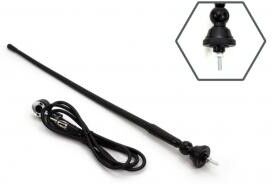
AMiO 01049 AerialLength [cm]: 34; Cable Length [m]: 1.4; Fitted Diameter [mm]: 5; Operating Mode: Electric; Aerial Type: Radio/ Cellphone, Flagpole; Version: ANT 02; Supplementary Article / Supplementary Info Info 2: with bolts; Number of Parts [parts]: 2; Material: Elastomer; Fitting Position: outer; Quantity Unit: Piece; Type: roof mounted6,99 £*Shipping: 8,45 £Secure redirect to the provider
-
AMiO 01050 AerialLength [cm]: 40; Cable Length [m]: 1.4; Fitted Diameter [mm]: 5; Operating Mode: Electric; Aerial Type: Radio/ Cellphone, Flagpole; Supplementary Article / Supplementary Info Info 2: with bolts; Number of Parts [parts]: 2; Version: ANT 03; Fitting Position: outer; Quantity Unit: Piece; Type: roof mounted6,29 £*Shipping: 8,45 £Secure redirect to the provider
-
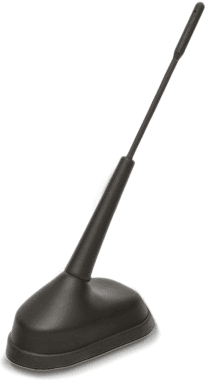
AMiO 01052 AerialLength [cm]: 16; Adapter enclosed: 5mm, 6mm; Number of adapters: 2; Operating Mode: Electric; Aerial Type: Radio/ Cellphone, Short Pole; Fitting Position: outer; Quantity Unit: Piece; Version: ANT M04; Surface: Satined Matt; Material: Aluminium; Type: roof mounted5,99 £*Shipping: 8,45 £Secure redirect to the provider


-
Why are there concerns and resistance to increased surveillance, even though it could potentially help improve the protection of children?
There are concerns and resistance to increased surveillance, even though it could potentially help improve the protection of children, because of fears related to privacy invasion and the potential for misuse of surveillance data. Many people worry that increased surveillance could lead to a loss of personal freedoms and create a culture of constant monitoring. Additionally, there are concerns about the effectiveness of surveillance in actually preventing harm to children, as well as the potential for surveillance to disproportionately target certain groups or communities. **
-
What is the difference between resistance and specific resistance?
Resistance is the opposition to the flow of electric current in a material, measured in ohms. It is a property of the material itself. Specific resistance, also known as resistivity, is a material property that quantifies how strongly a material opposes the flow of electric current. It is a characteristic of the material's composition and is used to calculate the resistance of a specific shape and size of material. **
-
What are the tolerances for resistance chains and resistance cubes?
The tolerances for resistance chains and resistance cubes typically vary depending on the manufacturer and the specific product. However, in general, resistance chains and cubes are designed to have tight tolerances to ensure accurate and consistent resistance levels for users. It is common for resistance chains and cubes to have tolerances within a few percentage points to maintain their effectiveness and reliability during workouts. It is recommended to refer to the product specifications provided by the manufacturer for more detailed information on the tolerances of specific resistance chains and cubes. **
-
What is the difference between electrical resistance and specific resistance?
Electrical resistance is the opposition to the flow of electric current in a material, measured in ohms. It is a property of the material itself and is dependent on factors such as the material's dimensions and temperature. Specific resistance, on the other hand, is a material property that quantifies how much a material resists the flow of electric current compared to a standard material. It is also known as resistivity and is measured in ohm-meters. In essence, electrical resistance is the overall resistance of a material, while specific resistance is a more intrinsic property of the material itself. **

How do I calculate the resistance with the internal resistance?
To calculate the total resistance with the internal resistance, you can use the formula: R_total = R_internal + R_external, where R_total is the total resistance, R_internal is the internal resistance, and R_external is the external resistance. This formula takes into account the resistance from both the internal and external components of the circuit. By adding the internal and external resistances together, you can determine the total resistance in the circuit. **
What is the difference between insulation resistance and surface resistance?
Insulation resistance measures the resistance to the flow of current through the insulation material between two conductors, while surface resistance measures the resistance to the flow of current across the surface of a material. Insulation resistance is typically used to assess the effectiveness of insulation materials in preventing current leakage, while surface resistance is used to evaluate the cleanliness and conductivity of surfaces in electronic and electrical applications. In summary, insulation resistance measures the resistance through a material, while surface resistance measures the resistance across a material's surface. **
Top-Angebote
Products related to AMiO-04088-Resistance:
-
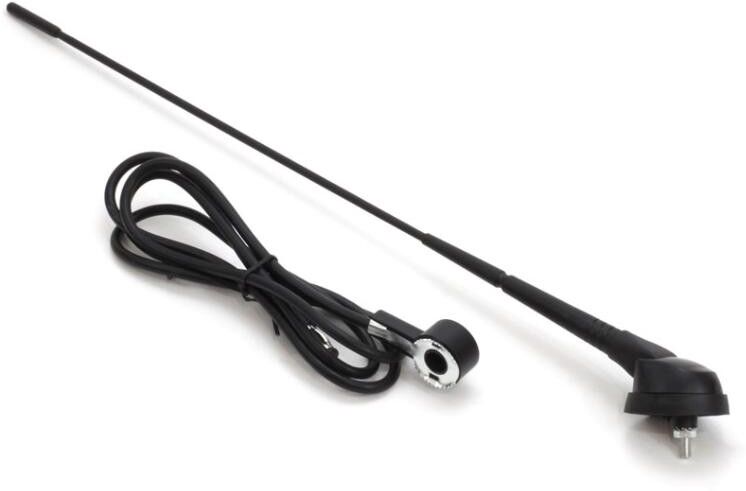
AMiO 01049 AerialLength [cm]: 34; Cable Length [m]: 1.4; Fitted Diameter [mm]: 5; Operating Mode: Electric; Aerial Type: Radio/ Cellphone, Flagpole; Version: ANT 02; Supplementary Article / Supplementary Info Info 2: with bolts; Number of Parts [parts]: 2; Material: Elastomer; Fitting Position: outer; Quantity Unit: Piece; Type: roof mounted6,99 £*Shipping: 8,45 £Secure redirect to the provider
-
AMiO 01050 AerialLength [cm]: 40; Cable Length [m]: 1.4; Fitted Diameter [mm]: 5; Operating Mode: Electric; Aerial Type: Radio/ Cellphone, Flagpole; Supplementary Article / Supplementary Info Info 2: with bolts; Number of Parts [parts]: 2; Version: ANT 03; Fitting Position: outer; Quantity Unit: Piece; Type: roof mounted6,29 £*Shipping: 8,45 £Secure redirect to the provider
-
Why are there concerns and resistance against increased surveillance, even though it could potentially help improve the protection of children?
There are concerns and resistance against increased surveillance, even though it could potentially help improve the protection of children, because of worries about privacy invasion and the potential for misuse of the collected data. Many fear that increased surveillance could lead to a loss of personal freedoms and create a culture of constant monitoring. Additionally, there are concerns about the effectiveness of surveillance in actually preventing harm to children, as well as the potential for surveillance to disproportionately target certain groups or communities. **
-
Why are there concerns and resistance towards increased surveillance, even though it could potentially help improve the protection of children?
There are concerns and resistance towards increased surveillance because of fears of invasion of privacy, potential misuse of data, and the creation of a surveillance state. People worry that increased surveillance could lead to a loss of personal freedoms and rights. Additionally, there are concerns about the effectiveness of surveillance in truly protecting children, as it may not address the root causes of issues they face. Overall, the balance between protecting children and safeguarding individual liberties is a complex and contentious issue. **
-
Why are there concerns and resistance to increased surveillance, even though it could potentially help improve the protection of children?
There are concerns and resistance to increased surveillance, even though it could potentially help improve the protection of children, because of fears related to privacy invasion and the potential for misuse of surveillance data. Many people worry that increased surveillance could lead to a loss of personal freedoms and create a culture of constant monitoring. Additionally, there are concerns about the effectiveness of surveillance in actually preventing harm to children, as well as the potential for surveillance to disproportionately target certain groups or communities. **
-
What is the difference between resistance and specific resistance?
Resistance is the opposition to the flow of electric current in a material, measured in ohms. It is a property of the material itself. Specific resistance, also known as resistivity, is a material property that quantifies how strongly a material opposes the flow of electric current. It is a characteristic of the material's composition and is used to calculate the resistance of a specific shape and size of material. **
Similar search terms for AMiO-04088-Resistance
-
AMiO 01052 AerialLength [cm]: 16; Adapter enclosed: 5mm, 6mm; Number of adapters: 2; Operating Mode: Electric; Aerial Type: Radio/ Cellphone, Short Pole; Fitting Position: outer; Quantity Unit: Piece; Version: ANT M04; Surface: Satined Matt; Material: Aluminium; Type: roof mounted5,99 £*Shipping: 8,45 £Secure redirect to the provider
-
AMiO 01297 AerialLength [cm]: 40; Cable Length [m]: 2.3; Fitted Diameter [mm]: 5; Operating Mode: Electric; Aerial Type: Radio/ Cellphone, Flagpole; Supplementary Article / Supplementary Info Info 2: with bolts; Number of Parts [parts]: 2; Fitting Position: outer; Quantity Unit: Piece; Version: ANT 06; Type: roof mounted6,59 £*Shipping: 8,45 £Secure redirect to the provider
-
What are the tolerances for resistance chains and resistance cubes?
The tolerances for resistance chains and resistance cubes typically vary depending on the manufacturer and the specific product. However, in general, resistance chains and cubes are designed to have tight tolerances to ensure accurate and consistent resistance levels for users. It is common for resistance chains and cubes to have tolerances within a few percentage points to maintain their effectiveness and reliability during workouts. It is recommended to refer to the product specifications provided by the manufacturer for more detailed information on the tolerances of specific resistance chains and cubes. **
-
What is the difference between electrical resistance and specific resistance?
Electrical resistance is the opposition to the flow of electric current in a material, measured in ohms. It is a property of the material itself and is dependent on factors such as the material's dimensions and temperature. Specific resistance, on the other hand, is a material property that quantifies how much a material resists the flow of electric current compared to a standard material. It is also known as resistivity and is measured in ohm-meters. In essence, electrical resistance is the overall resistance of a material, while specific resistance is a more intrinsic property of the material itself. **
-
How do I calculate the resistance with the internal resistance?
To calculate the total resistance with the internal resistance, you can use the formula: R_total = R_internal + R_external, where R_total is the total resistance, R_internal is the internal resistance, and R_external is the external resistance. This formula takes into account the resistance from both the internal and external components of the circuit. By adding the internal and external resistances together, you can determine the total resistance in the circuit. **
-
What is the difference between insulation resistance and surface resistance?
Insulation resistance measures the resistance to the flow of current through the insulation material between two conductors, while surface resistance measures the resistance to the flow of current across the surface of a material. Insulation resistance is typically used to assess the effectiveness of insulation materials in preventing current leakage, while surface resistance is used to evaluate the cleanliness and conductivity of surfaces in electronic and electrical applications. In summary, insulation resistance measures the resistance through a material, while surface resistance measures the resistance across a material's surface. **
* All prices are inclusive of VAT and, if applicable, plus shipping costs. The offer information is based on the details provided by the respective shop and is updated through automated processes. Real-time updates do not occur, so deviations can occur in individual cases. ** Note: Parts of this content were created by AI.